
Tablecloth vs Runner vs Bare Table: Which Wins?
Compare restaurant tablecloths, runners and bare tables through a full-service trial, cleaning workflow, reset labour, storage, finish care and cost per cover.

By Resto Glow Studio · Published 3 August 2026 · Last updated 3 August 2026
A tablecloth, runner and bare finish create different reset, cleaning, storage and maintenance work. The visual choice matters, but a room-wide decision should be made with the table fully set and the real service workflow observed.
Build one sample of each option on the same table. Run a meal reset, apply the approved stain test, measure storage volume and price the full process per cover. Aesthetic preference then sits beside evidence instead of replacing it.
The comparison below is a test plan, not a universal ranking. What goes on the surface once chosen—the covers, glassware and settings—is covered in our table setting design guide.
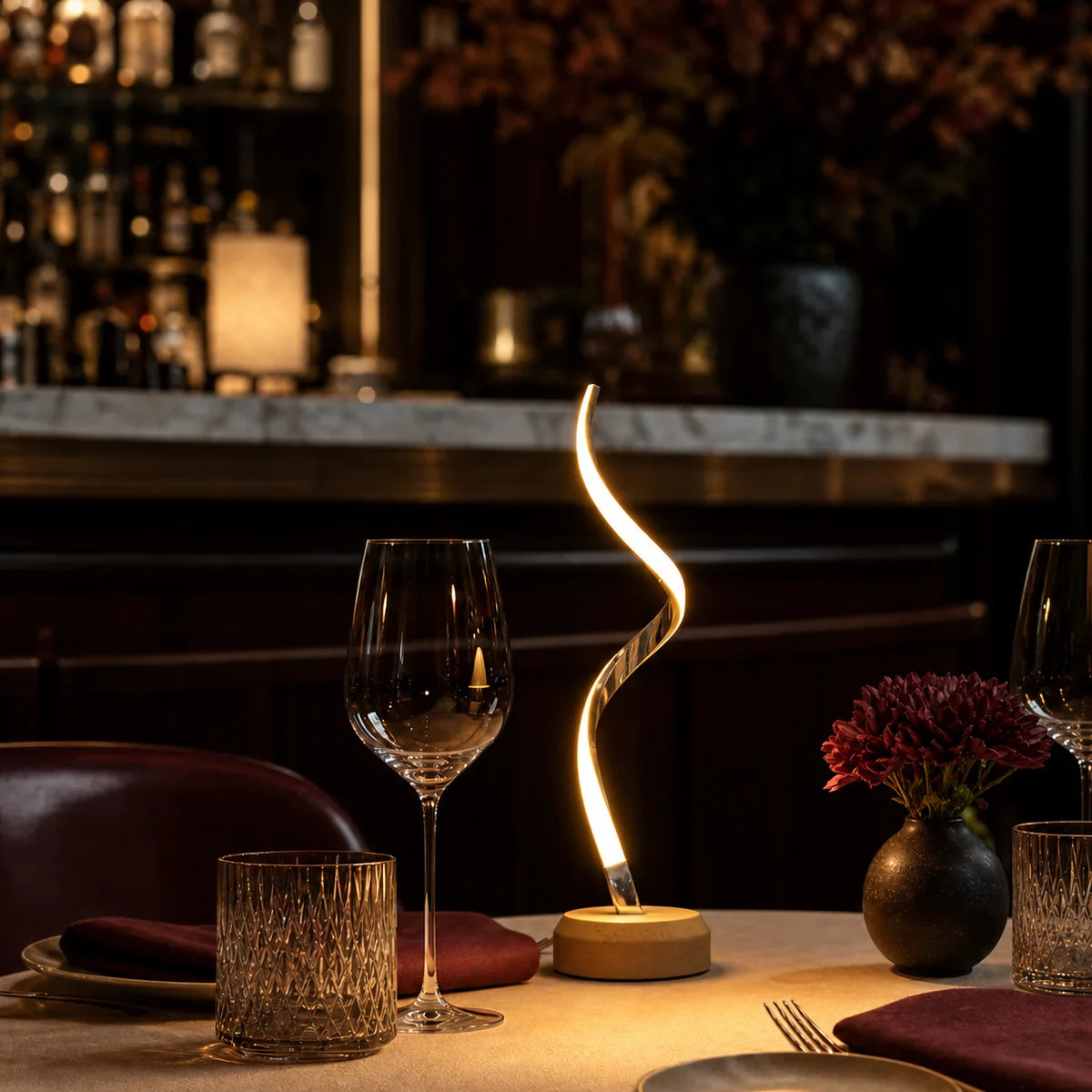
The decision screen
Shortlist full linen when the intended composition justifies a complete cover and the laundry/storage process works. Shortlist a runner when the table finish should remain visible and the centre strip has a defined service job. Shortlist bare when the tabletop finish itself passes the chemical, heat, scratch, reset and maintenance tests.
| Test | Full tablecloth | Runner | Bare table |
|---|---|---|---|
| Full-meal footprint | Check drop, knees, chair movement and shared dishes | Check drift, overhang, centre cluster and exposed place-setting area | Check plate/glass stability, heat and condensation on the finish |
| Reset sequence | Strip or protect, clear, clean, re-lay and align | Remove or align, clean textile and exposed top | Clear, apply approved surface method and dry |
| Recurring inputs | Rental or laundering, handling, stain/damage charges, storage and replacements | Laundering, alignment labour, exposed-top care, storage and replacements | Cleaner, labour, repairs, refinishing and downtime |
| Evidence to request | Fibre/construction, dimensions, care, shrinkage, stain and fire information as applicable | Same textile evidence plus edge/hem and slip behaviour | Finish system, approved chemicals, heat/moisture limits and repair method |
| Operational failure to watch | Wrong drop, wrinkling, contamination, stock shortage and storage pressure | Movement, curling, stains, wrong length and a damaged exposed top | Chemical wear, rings, scratches, unstable serviceware and refinishing downtime |
| Acoustic credit | None without assembly evidence and room measurement | None without assembly evidence and room measurement | Do not assume a hard top alone determines room noise |
Everything below is the reasoning behind that table.
Test the visual message instead of assuming it
Full linen, a runner and a bare finish can each support formal or casual concepts depending on colour, construction, tableware, lighting and upkeep. Do not attach a price-position claim to the material without guest research.
Full linen covers the table finish and creates a continuous colour field. Mock white, colour and texture with the real plates and menu; inspect wrinkles, seams and drops from the entrance and seated positions.
A runner leaves the tabletop visible while defining a central axis. Test whether that axis supports the centre cluster and shared dishes or merely adds another item to straighten.
A bare table makes the top, edge and finish part of the visible composition. Approve it only after the surface condition, repairs, joints and cleaning result pass in service lighting.
Photograph all three options with the same place setting and light. If the decision is commercially important, show unlabelled images to representative guests and record the words they use rather than relying on internal assumptions about “premium” or “casual.”
Full tablecloth: when the linen bill is worth it
A full cloth changes the visible field and protects parts of the top during service, but it adds textile handling, stock, laundering and storage. It must not be used to disguise an unstable table; repair a wobble before service.
Fabric construction. Fibre names do not establish stain release, shrinkage, colourfastness, crease recovery or useful life. Ask the supplier for the complete construction and care limits, then wash a sample repeatedly by the proposed process and record dimensions, stains, colour, seams, hand and dry time.
Overhang. There is no single correct drop, and any article quoting one is guessing at your tables. The method: measure from the tabletop edge to seated lap height, and choose a drop that clears knees without brushing them and without pooling on the floor where it will be trodden and pulled. Test one cloth on one table with four people actually seated before you order sixty.
One layer or two. A base cloth with a replaceable top layer changes the reset and laundry sequence, but it is not automatically faster or cleaner. Confirm how both layers are protected, inspected and laundered, test knee clearance and movement, and time the complete change against a single-layer reset.
Full cloth earns the room count only if the visual mock-up, cleaning process, storage plan, reset trial and cost-per-cover model beat the alternatives. A private room or seasonal service may reach a different result from the everyday dining room, so schedule those zones separately.
Runners: exposed tabletop plus a textile centre
A runner defines a central strip while leaving much of the top exposed. Its textile volume may be lower than a full cloth, but exposed-top cleaning, straightening, storage and replacement still belong in the model.
Length. Mock an overhanging version and a deliberately short version. Check knees, drawer/apron clearance, chair movement, edge curl and whether the runner is pulled during bussing. Order from the measured result, not a generic drop rule.
Across or along. Test both directions where the table geometry allows. On round tables, observe whether a runner drifts or interferes with knees and shared dishes; compare it with a small centre cloth, tray or bare top.
Because a runner leaves the outer top visible, inspect and cost repairs to that surface before rollout. The textile does not solve worn edges, failed coating or unstable joints.
Bare tables: the surface has to earn it
Bare is not the absence of a decision. It is a decision that puts every requirement onto the tabletop itself.
Document the finish system. Record the substrate, coating, edge detail, approved cleaner, heat and moisture limits, repair method and maintenance interval. Material labels such as timber, stone or laminate are not enough.
Run a service sample. Apply the actual cleaner, representative heat and condensation exposure, and normal serviceware movement to a finish sample. Use the maker's repair and maintenance instructions; do not assume one oil, lacquer or polyurethane behaves like another.
Do not select the surface as acoustic treatment. A cloth can change some local contact sound and high-frequency reflection, but its room effect depends on the full space and has no useful value here without measurement. If sound is a problem, measure the occupied room and specify tested assemblies; our restaurant acoustic design guide covers the audit.
Inspect every unit. Record wobble, damaged edges, coating wear and mismatched repairs across the room. Correct unstable bases whichever surface treatment you choose.
An individual mat or charger is another possible layer, but it needs its own food-zone, cleaning, heat, slip and storage review. Resto Glow does not currently publish a separate guide or product shortlist for that category.
Two hybrid models worth testing
Bare plus runner plus individual cover layers. This keeps much of the top visible but creates several materials to align, clean and store. Test the full meal footprint and complete reset rather than assuming the smaller pieces reduce labour.
Cloth for one daypart, bare for another. This creates a scheduled changeover and two cleaning standards. Time the room-wide switch, calculate clean and soiled storage volume, define handling between services, and verify that the furniture finish tolerates both processes.

The real math: cost per cover, not cost per cloth
Compare each programme on the same unit: total surface cost per cover over the same period.
Full-cloth cost per cover = (rental or purchase + laundering + handling labour + stain/damage charges + replacements + storage) ÷ covers served in the period.
Runner cost per cover = (purchase + laundering + handling labour + exposed-top cleaning + replacements + storage) ÷ covers served in the period.
Bare-table cost per cover = (cleaning labour and chemicals + repairs + scheduled maintenance + refinishing + downtime) ÷ covers served in the period.
For labour, time at least three staff completing the same reset endpoint and use the median:
reset hours per period = median reset seconds × tables reset in the period ÷ 3,600
Include collection, sorting, stain treatment, laundry handoff, storage travel, re-laying and table-finish maintenance. Record when the work occurs; a minute during peak service may carry a different operational cost from a minute before opening.
Two inputs are easy to miss: the observed replacement rate from staining or damage, and the clean/soiled storage footprint. Measure both during the trial rather than assigning a category average.
Noise, spills and the things that decide it in practice
Noise. Do not assign a room-noise benefit to linen without measurement. Compare contact noise during the tabletop trial, but solve reverberation or speech problems with an occupied-room assessment and tested acoustic assemblies.
Stains. Use representative soils from the actual menu, follow the proposed treatment and laundry process, and inspect the dried sample under service light. Record permanent staining, shrinkage and labour; do not assume a runner's smaller area guarantees a lower replacement rate.
Wobble. Surface treatment is not a repair. Inspect and stabilise every table base before comparing cloth, runner or bare layouts.
Wind. On a patio or terrace, test the complete treatment at the site's real wind exposure. Use only restraint approved for the table, fabric and guest environment, and reject any option that can lift, snag or create a projectile or trip hazard.
The picks we reach for
For a full-cloth visual sample, our cotton-linen tassel tablecloth offers a warm, textured edge. Its listing permits gentle machine washing in a laundry bag or hand washing, but publishes no contract-laundry cycle, shrinkage-test or commercial useful-life evidence. Test repeated laundering, exact dimensions, stain release, dry time and tassel condition before considering a room count.
For a seasonal runner sample, the Christmas snowman piece is listed as a 33 × 183 cm polyester table runner despite “mat” appearing in its title. Confirm delivered dimensions and care, then test overhang, drift, stains and storage before treating it as a seasonal substitution.
For a bare-table mock-up, a black organic accent tray, documented cutlery holder or rechargeable LED table lamp may define the centre. Every object still needs footprint, slip, heat, cleaning and loaded-lift checks. The full lighting range is in Table Lamps, and our decorative tray guide covers the cluster trial.
For visual comparisons, The Amber Dining Room shows a linen-and-low-light concept, while The Parchment Bistro shows more exposed tabletop. Warm & Intimate and Bright & Social offer lighting palettes to include in the sample review. For a room-wide order, trade projects can work from the measured table and textile schedule.
Restaurant table covering FAQ
Do restaurants still use tablecloths?
Some do, when the full-cloth mock-up and operating model justify it. Decide from the restaurant's laundering, storage, reset, visual and cost-per-cover evidence rather than assumptions about dining category.
Is a table runner enough without a tablecloth?
It can be. Test it with the full meal, centre cluster and actual exposed top. Approve the length, overhang, slip, cleaning and reset only if the runner has a clear job and does not interfere with service.
How much does restaurant linen service cost?
It varies by region, volume, soil, service level and contract. Obtain dated quotes on the same scope, then add handling labour, stain/damage fees, replacements and storage. Divide the period total by covers served in that period.
What do restaurants put on tables instead of tablecloths?
Options include runners, individual mats, chargers or a bare top. Each adds different heat, slip, cleaning, storage and food-zone questions. Compare complete table mock-ups and time the full reset rather than choosing by object count.
Do tablecloths make a restaurant look more expensive?
Do not assume a universal price signal. Colour, construction, condition, tableware and the rest of the room change the impression. If the claim matters to positioning, test unlabelled mock-up images or table trials with representative guests.
Choose from a full-service trial, approved cleaning process, storage plan, reset measurement and cost per cover—not the swatch alone. Recheck the decision when the menu, table finish, laundry contract or daypart changes.
Keep reading

guest-experience
Restaurant Restroom Cleaning Checklist and Inspection Log
Use this restaurant restroom cleaning checklist for opening, service inspections, supplies, fixtures, floors, waste, incidents, and closing records.

dining-room-operations
Restaurant Dining Room Cleaning Checklist: Turn to Close
Use this restaurant dining room cleaning checklist for table turns, high-touch points, spills, service stations, floors, opening, and close.

food-safety
Restaurant Kitchen Cleaning Checklist for Every Shift
Use this restaurant kitchen cleaning checklist to control opening, between-task, four-hour, closing, and weekly work without vague assignments.